Source Technical Tributylphosphine for Catalysts and Synthesis
Find 30 listings for technical tributylphosphine to compare specifications and pricing. Options include liquid and powder forms with CAS 998-40-3, available in various drum packages for laboratory reagents and chemical intermediates; compare the available evidence and request quotations based on your requirements.
Key considerations
Products List




Comprehensive Sourcing Guide
Technical Tributylphosphine Sourcing Guide
Procuring technical tributylphosphine requires careful attention to its dual nature as both a liquid reagent and a solid catalyst precursor, depending on the specific grade and application context. Buyers must distinguish between products listed with CAS No. 998-40-3, which typically appear as colorless liquids, and those with different identifiers that may present as white crystals or powders. The observed market data indicates a wide variance in physical states, ranging from clear liquids with specific gravity around 0.82 to solid catalysts, necessitating precise specification matching before any order is placed.
Commercial listings often bundle these variations under broad categories like "Syntheses Material Intermediates" or "Laboratory Reagents," which can obscure critical differences in purity and stability. A buyer must verify whether the intended use is for polymerization promotion, synthesis of chemical intermediates, or specific laboratory analysis, as the required purity levels and packaging formats differ significantly between these applications. Understanding these distinctions prevents the accidental procurement of a solid catalyst when a liquid reagent is required for a specific reaction pathway.
Product Scope and Observed Listing Signals
The current market for technical tributylphosphine displays a diverse array of packaging options, including 20kg drums, 100kg drums, and 200kg drums, alongside smaller 25kg units for laboratory-scale needs. Listings frequently mention customization availability, allowing buyers to request specific packaging configurations such as 25kg/200kg drums or custom single packages. This flexibility is crucial for logistics planning, as the single gross weight and package dimensions can vary from compact 10x10x10 cm units to large industrial drums, directly impacting shipping costs and storage requirements.
Price signals in the observed range of 0.5 to 2000 USD reflect the extreme variability in product form, purity, and order volume, rather than a uniform market rate. Minimum order quantities (MOQ) span from single items to 200 units, suggesting that buyers can source small batches for testing or large volumes for industrial synthesis. However, the wide price spread indicates that buyers must scrutinize the specific product model and standard, such as the 98% or 99% purity grades, to understand the value proposition of each listing before committing to a purchase.
Technical Specifications to Verify
Verification of the Chemical Abstracts Service (CAS) number is the primary step in confirming the identity of the material, with 998-40-3 being the standard identifier for tributylphosphine. Buyers should cross-reference this with the molecular formula C12H27P and the EINECS number 213-651-2 to ensure the product matches the intended chemical structure. Discrepancies in these identifiers often signal different chemical entities, such as the various models listed with CAS numbers like 76189-55-4 or 84434-11-7, which may possess entirely different physical and chemical properties.
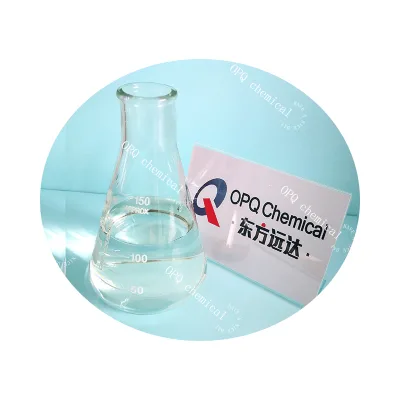
Physical property verification is equally critical, as the product may be listed as a colorless liquid with a boiling point of 150 °C at 50 mm Hg or as a white crystal with a melting point of -65 °C. The density of the liquid form is typically observed around 0.81 g/mL at 25 °C, with a specific proportion of 0.820 at 20/4℃, while the flash point is recorded at 99 °F. Buyers must confirm these specific parameters against their process requirements, as deviations in boiling point or density can indicate impurities or a different chemical substance entirely.
Compliance and Safety Documentation
Safety data sheets (SDS) must explicitly address the flammability and reactivity of tributylphosphine, particularly given its flash point of 99 °F and its classification as a synthesis material intermediate. The product is often used as a positive or negative catalyst, and its status as a solid catalyst or liquid reagent dictates specific handling protocols. Buyers should ensure that the supplier provides documentation confirming the product's stability and compatibility with the intended application, whether it is for polymerization or general chemical synthesis.
Regulatory compliance extends to the origin of the material, with many listings specifying production in Shandong, China, or generally within China. While the EINECS number provides a baseline for European regulatory tracking, buyers must verify if the specific batch meets local import regulations and safety standards. The "Technical" quality grade often implies industrial use, but for laboratory reagents, higher purity standards may be required to ensure the absence of contaminants that could interfere with sensitive analytical procedures or catalytic cycles.
Cost Drivers and Commercial Terms
The cost of technical tributylphosphine is heavily influenced by the purity standard, with listings offering both 98% and 99% grades that command different price points. Buyers should anticipate that higher purity levels, often required for Pro Analysis or specific synthesis applications, will incur a premium over technical grade materials. Additionally, the complexity of the packaging, such as specialized drums or custom single packages, adds to the overall unit cost and must be factored into the total landed cost calculation.
Commercial terms regarding minimum order quantities and customization options significantly affect the final price per unit. While some suppliers offer single-item selling units for small-scale testing, larger orders may benefit from bulk packaging like 100kg or 200kg drums. The availability of customization allows buyers to optimize their inventory and shipping costs, but it may also introduce lead time variables. Buyers must negotiate clear terms regarding these customizations to avoid unexpected delays or additional charges that could disrupt their production schedule.
Supplier Qualification and Quality Control
Supplier qualification should focus on the consistency of their product model numbers and the reliability of their origin claims, particularly for materials sourced from Shandong, China. Buyers must verify that the supplier can consistently provide the specific CAS number and molecular formula required, as the market contains multiple distinct chemical models with similar names. A qualified supplier will demonstrate a clear understanding of the difference between liquid and solid forms, ensuring that the correct physical state is delivered for the intended application.
Quality control processes must include verification of the product's appearance, such as confirming it is a colorless clean liquid or a white crystal, and checking for any deviations in density or boiling point. The "Content: Standard" attribute suggests a baseline quality, but buyers should request batch-specific test results to confirm the 98% or 99% purity claims. Establishing a relationship with a supplier who can provide detailed quality assurance data is essential for maintaining the integrity of chemical synthesis processes and ensuring consistent performance in catalytic applications.
Long-Term Procurement Checks
Establishing a long-term procurement strategy requires regular audits of the supplier's ability to maintain consistent product specifications over time. Buyers should monitor the stability of the CAS number and physical properties, such as the flash point and density, to ensure that the product does not degrade or change characteristics during storage and transport. Consistency in the "Type" classification, whether as a synthesis material intermediate or a laboratory reagent, is vital for maintaining process reliability in industrial and research settings.
Continuous evaluation of the supplier's response to customization requests and their ability to meet changing order volumes is also necessary. As the market evolves, buyers must remain vigilant regarding changes in packaging standards, such as the shift between 25kg and 200kg drums, and ensure that these changes do not impact the product's integrity. Regular communication with the supplier regarding the "Specific Usage" and "Application" of the material will help align procurement activities with evolving operational needs and regulatory requirements.
FAQs
What is the purity standard for technical tributylphosphine?
The product standard is typically 98% or 99% purity. This grade serves as a chemical intermediate for synthesis. Buyers should verify the specific CAS number 998-40-3 to ensure correct identity. The material appears as a colorless liquid or clean liquid depending on the batch. Always confirm the exact specification with the supplier before ordering.
How is tributylphosphine packaged for safe transport?
Packaging options include 100kg drums, 200kg drums, or 25kg drums. Some suppliers offer 20kg drums for smaller quantities. The single package size may be listed as 10X10X10 cm for samples. Buyers can request custom packaging if standard drums do not fit their logistics. Ensure the drum material is compatible with phosphine reactivity.
Can suppliers customize tributylphosphine orders for specific needs?
Yes, customization is available for many technical grades. Buyers can often request specific purity levels or packaging configurations. The product origin is primarily China, with Shandong being a common location. Customization may affect lead times and pricing. Contact manufacturers directly to discuss tailored synthesis material requirements.
What are the physical properties of tributylphosphine?
It has a density of 0.81 g/mL at 25 °C and a proportion of 0.820 at 20/4°C. The boiling point is 150 °C at 50 mm Hg. The flash point is 99 °F, indicating flammability. The melting point is -65 °C. These values help in handling and storage planning for laboratory reagents.
What is the primary application of tributylphosphine?
It is primarily used as a chemical intermediate and synthesis material. The substance acts as a positive or negative catalyst in various reactions. It is also used as a promoter catalyst in polymerization processes. Laboratory reagents often utilize this compound for specific chemical syntheses. Industrial applications require careful handling due to its reactive nature.
Which CAS number identifies tributylphosphine?
The CAS number is 998-40-3. This identifier distinguishes it from other phosphine compounds like 76189-55-4 or 84434-11-7. The EINECS number is 213-651-2. Using the correct CAS number ensures accurate sourcing. Verify this number when requesting quotes to avoid receiving incorrect chemical intermediates.